How to Create an AI Fashion Model Step by Step
You can create a fictional fashion model with an image generator by describing a character and reusing that description.
Short answer
You can create a fictional fashion model with an image generator by describing a character and reusing that description. The hard parts are keeping the same face across images, avoiding real people's likenesses, and being open with your audience. This guide covers a safe process for a fully synthetic, fictional model. It does not cover cloning a real person, which needs written consent and payment (see section 7).
We have not run this process for this draft. Prompts are templates. Tools and features change, so read your tool's current documentation.
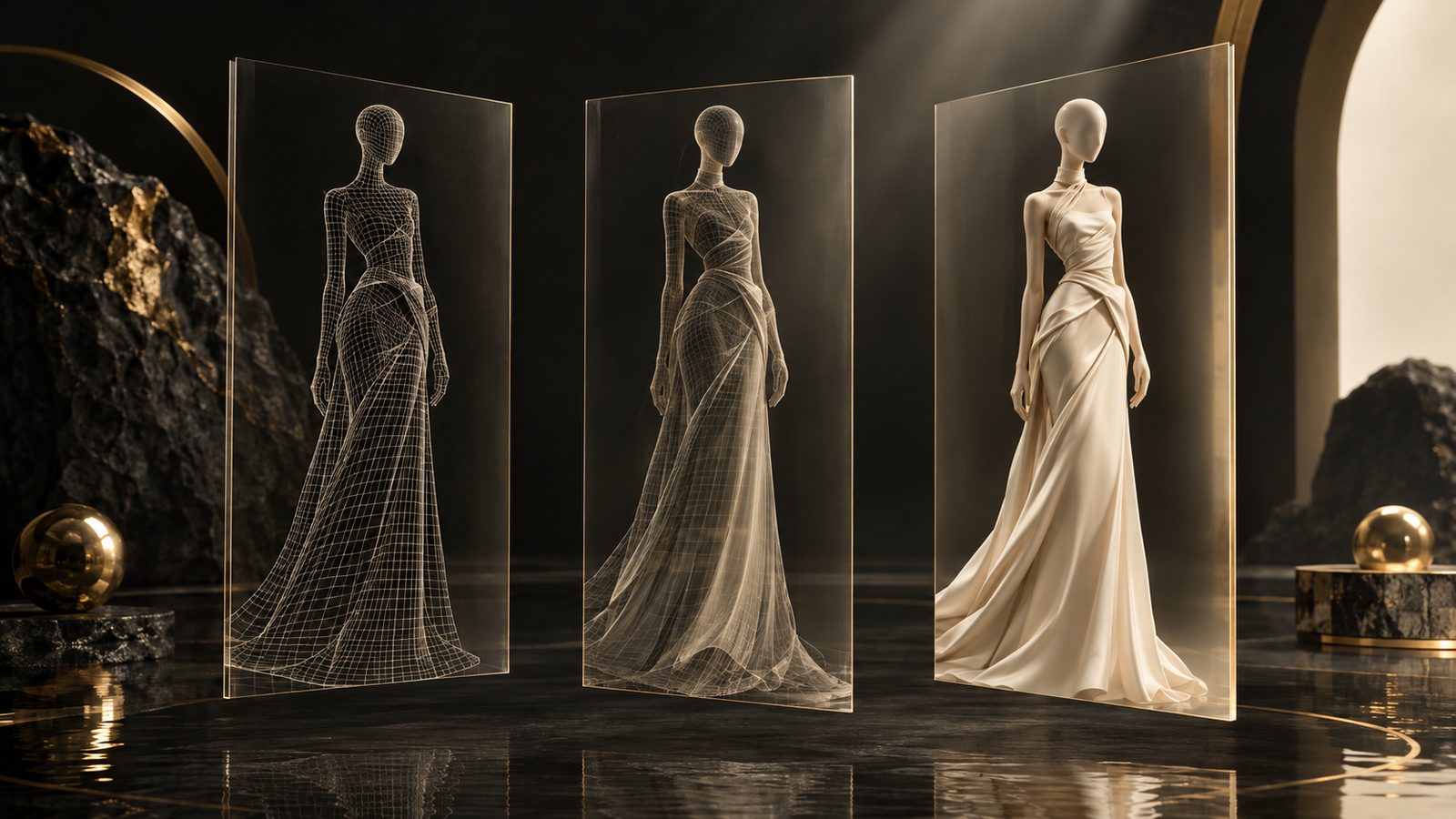
Step 1: Decide what this model is for
Write down: the brand or project, the audience, and where images will appear (social posts, lookbook, product pages). Decide whether the model will be a character with a name or just a visual style. Decide now how you will disclose that the model is AI-generated.
Step 2: Write a character sheet
List stable attributes: age range, skin tone, hair, build, general look, signature styling. Midjourney's documentation suggests being specific about subject, medium, lighting, colour, mood and composition, and keeping prompts short. Keep a base description of 20 to 30 words that you will reuse:
Photograph of a woman in her late twenties, shoulder-length wavy black hair, warm medium skin tone, calm expression, [garment], [setting], soft natural light
Avoid naming any real person, celebrity or influencer. Do not describe a real individual you know.
Source: Midjourney Docs, Prompt Basics.
Step 3: Generate and choose
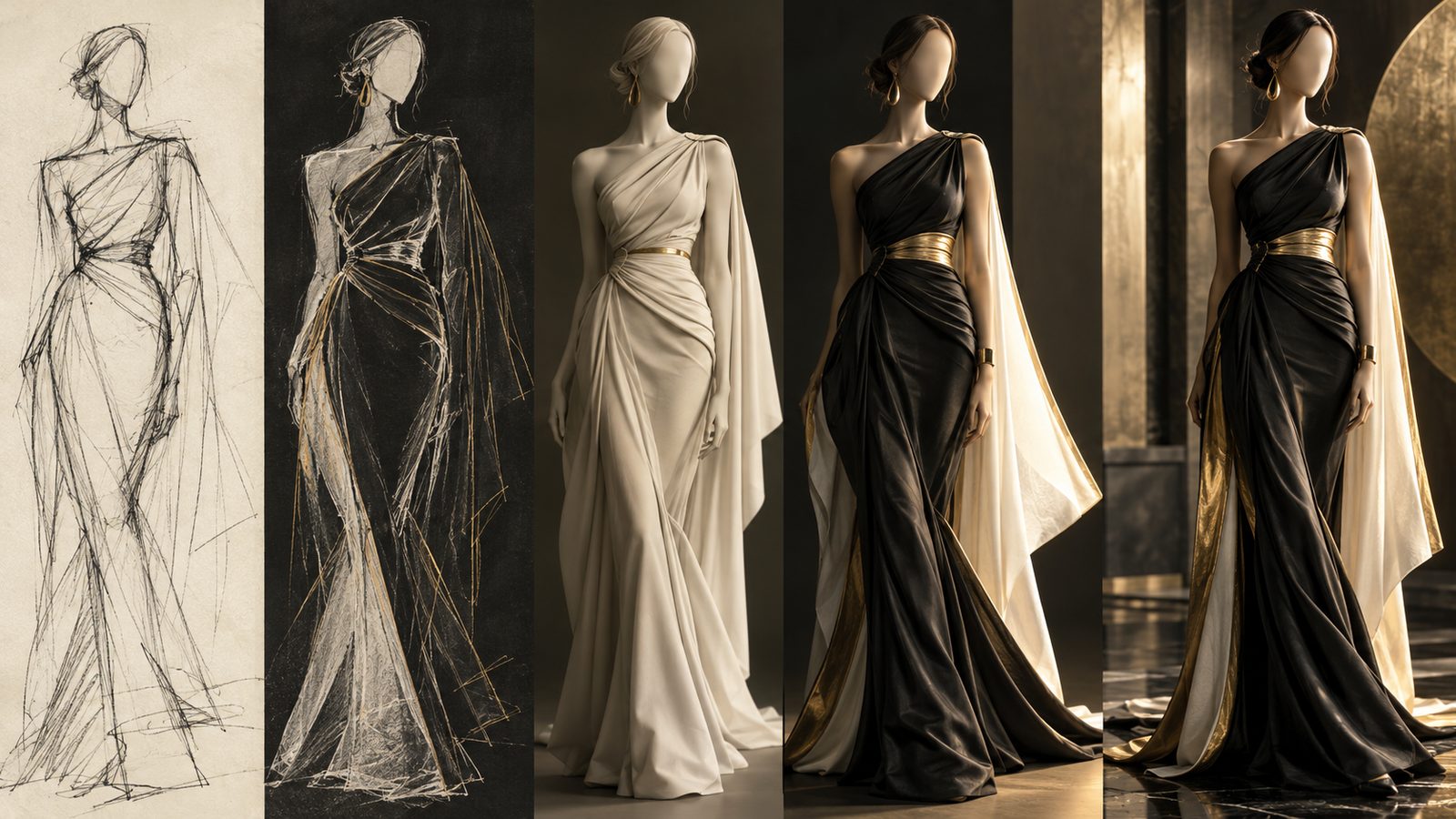
Generate several images from the base description. Choose the one that best matches your sheet. Save it as your reference portrait with the tool name, date and prompt.
Step 4: Keep the face consistent
Consistency is the hardest part. Many tools offer reference features that let you supply an image to guide later results. Midjourney, for example, documents Image Prompts and Style References, and the Parameter List describes settings. We have not tested them, and features change by version. Check your tool's current guide. Expect some drift and plan to pick the best results and discard the rest.
Step 5: Dress the model
Add garment details one at a time, using your own real products or designs. Important: if you show AI-generated clothing on the model and sell real clothing, shoppers must not be misled about what the real garment looks like. For product pages, use real product photos. Google's note on its own try-on tool says fit and clothing details may not always be accurate, which is a good reminder to be careful with any generated garment image.
Source: Google blog on Doppl, 26 Jun 2025.
Step 6: Check every image
Look for: hands, teeth, jewellery, text on clothing, seams, symmetry, backgrounds. Retouch or regenerate. Keep a log of what you fixed.
Step 7: Real person? Different rules
If you want a digital copy of a real model, that is a different project. H&M has said its digital twins belong to the models and their agencies, who keep ownership and are reimbursed (H&M interview, FashionUnited, 21 Oct 2025). Whatever you do, get written consent and agree payment and use terms first. The US Copyright Office recommended federal legislation against unauthorised digital replicas that falsely depict a person (Part 1 of its AI report, 31 Jul 2024).
Sources: FashionUnited, 21 Oct 2025; U.S. Copyright Office, 29 Jan 2025.
Step 8: Disclose
- The 2025 Guess ad in Vogue used a small-print disclosure for its AI model, and still drew public debate (CNN). Put the disclosure where people can see it, in the caption or on the image.
- From 2 August 2026, European Commission rules require deepfakes to be labelled and AI-generated content to carry machine-readable marks (European Commission). Check how this applies if you sell or advertise in the EU.
- In India, ASCI's influencer guidelines require clear, prominent disclosure of material connections. AI model content in brand promotion should be reviewed against ASCI's rules before launch.
Sources: CNN, 31 Jul 2025; European Commission, 31 Jul 2026; ASCI FAQs.
Step 9: Ownership
The US Copyright Office concluded in January 2025 that AI outputs can be protected only where a human determined sufficient expressive elements, and not by prompts alone. A fictional model made only from prompts may not be protected by copyright in the US, so others might be able to copy images. Combine with your own edits and keep records. This is not legal advice.
Step 10: Publish with a plan
Before posting, confirm: no real person's likeness, disclosure added, images checked, tool terms allow commercial use, and a person has approved the batch.
Notes on likeness features and reference images
Midjourney's Parameter List describes features that use reference images, including style references (which its Style Reference page says do not copy objects or people), and an edit model that works from written instructions and up to four reference images. It also mentions an earlier Omni Reference feature for using a person's likeness or the form of an object, which the list says was replaced by the Edit Model. Features change often. The rule for this tutorial is simple: use reference images only of people who agreed, and of your own clothes or products. OpenAI's usage policies separately prohibit using someone's likeness, including photorealistic image or voice, without consent in ways that could confuse authenticity.
Sources: Midjourney Parameter List and Style Reference; OpenAI usage policies.
Keep a model file
For each model, keep a folder with: the character sheet, the base prompt, the tool and version, the date, your reference portrait, approved images, rejected images with notes, the disclosure wording and who approved each batch. If a brand or platform ever asks how an image was made, you can show it.
Checklist
- Purpose and disclosure plan.
- Character sheet, no real people.
- Reference portrait saved.
- Consistency method chosen from your tool's documentation.
- Real products shown honestly.
- Quality check log.
- Disclosure in view.
- Terms and ownership understood.
- Human approval.
What we do not know
- How well any tool keeps a face consistent. We did not test.
- Whether your tool's terms allow commercial use. Check.
Sources
Midjourney, Prompt Basics: https://docs.midjourney.com/hc/en-us/articles/32023408776205-Prompt-Basics
Midjourney, Parameter List: https://docs.midjourney.com/hc/en-us/articles/32859204029709-Parameter-List
Google, Doppl, 26 Jun 2025: https://blog.google/innovation-and-ai/models-and-research/google-labs/doppl/
FashionUnited, 21 Oct 2025: https://fashionunited.com/news/business/ai-in-fashion-h-ms-chief-creative-officer-jorgen-andersson-on-the-digital-twin-journey/2025102168602
U.S. Copyright Office, 29 Jan 2025: https://newsroom.loc.gov/news/copyright-office-releases-part-2-of-artificial-intelligence-report/s/f3959c36-d616-498d-b8f9-67641fd18bab
CNN, 31 Jul 2025: https://www.cnn.com/2025/07/31/style/vogue-ai-models-guess-campaign
European Commission, 31 Jul 2026: https://digital-strategy.ec.europa.eu/en/news/commission-starts-enforcing-ai-act-rules-and-new-transparency-requirements-2-august
ASCI FAQs: https://www.ascionline.in/social/faqs/
OpenAI usage policies: https://openai.com/policies/usage-policies/
Editorial note
AI-assisted, source-linked editorial. No firsthand product or tool testing is claimed. Tutorials and prompts are illustrative workflows, not tested results.
- No firsthand testing. Consistency step is deliberately generic.
Source links
- https://blog.google/innovation-and-ai/models-and-research/google-labs/doppl/
- https://digital-strategy.ec.europa.eu/en/news/commission-starts-enforcing-ai-act-rules-and-new-transparency-requirements-2-august
- https://docs.midjourney.com/hc/en-us/articles/32023408776205-Prompt-Basics
- https://docs.midjourney.com/hc/en-us/articles/32859204029709-Parameter-List
- https://fashionunited.com/news/business/ai-in-fashion-h-ms-chief-creative-officer-jorgen-andersson-on-the-digital-twin-journey/2025102168602
- https://newsroom.loc.gov/news/copyright-office-releases-part-2-of-artificial-intelligence-report/s/f3959c36-d616-498d-b8f9-67641fd18bab
- https://openai.com/policies/usage-policies/
- https://www.ascionline.in/social/faqs/
- https://www.cnn.com/2025/07/31/style/vogue-ai-models-guess-campaign
Written by Pooja Ruhela, Founder & Editor · The Modera Society